AROUND THE PARK AGAIN by Sharon Lee Tegler

Brought to you by Jing Ying Institute of Kung Fu & Tai Chi

The days are getting shorter and the weather is cooler, but our gardens are still producing cool weather crops. Dahlias, chrysanthemums and other late season flowers brighten our yards along with orange pumpkins and swags of ornamental corn.
But there is lots of beauty still to be had as Anne Arundel County Farm, Lawn and Garden Center holds its annual Fall Finale this Saturday, October 24th from 8 am to 6 pm. The garden center is looking gorgeous for the occasion with hundreds of pumpkins, squash and gourds to browse and row upon row of mums in a rainbow of colors. All garden center plants, flowers and products will be on sale and there will be free hot dogs and soda, free raffles, face painting and gifts for kids.

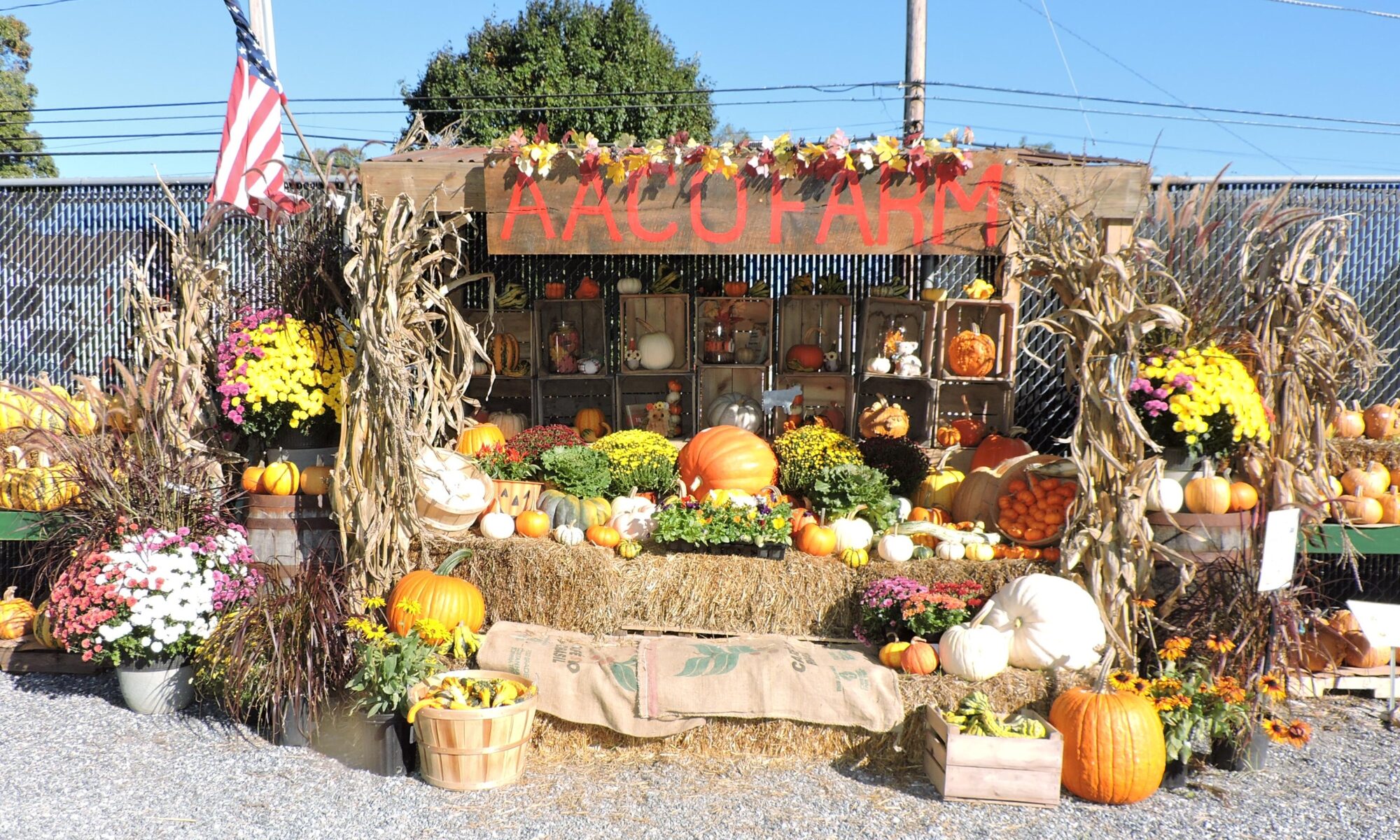
The decorative photo booth seen in the opening photo was created by Anne Arundel Farm, Lawn and Garden employees as a perfect backdrop for selfies.
Daisies and chrysanthemums in shades ranging from bright yellow, rust and wine to cream, salmon and pink stretch the length of the nursery area. Most are just-in-bloom or about-to- bloom so they will last for weeks.

Venturing inside the store, we learned from clerks at the checkout counter that, for the Fall Finale, sale prices will prevail for all merchandise. Early Bird Specials, from 8 am to 9 am, will see 15% off all items. From 9 am to 6 pm prices will be 10% off all items.
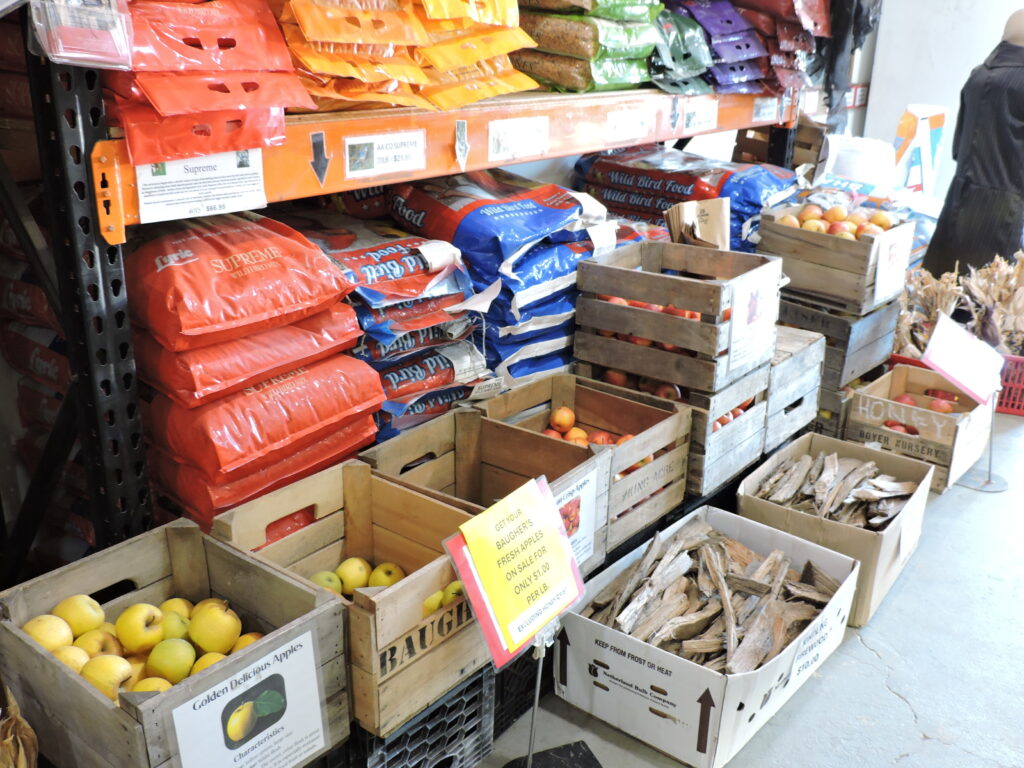
We noticed that indoor merchandise is tilted toward cooler temperatures with items like straw for protecting outdoor plants and bushes. There is kindling and firewood, and items like suet for birds. For gardeners wishing to enrich their soil there is seed for sewing cover crops. There are also bales of straw for protecting plants.
We were surprised to see by the store’s entrance crates of apples from Baugher’s Orchards in Westminster on sale for $1.00 per pound.
In a bow to Halloween, there’s a creepy panhandler by the entrance beneath the BEWARE sign. Lots of fun for everyone.

For more information on the Fall Finale, visit Facebook.
Oliver Brewing Company to open next month in Millersville
Spotting the sign in front of the partially completed complex on Jumper’s Hole Road in Millersville, touting the future home of Oliver Brewing Company, local residents have been burning with curiosity about when the much-awaited company would be opening.
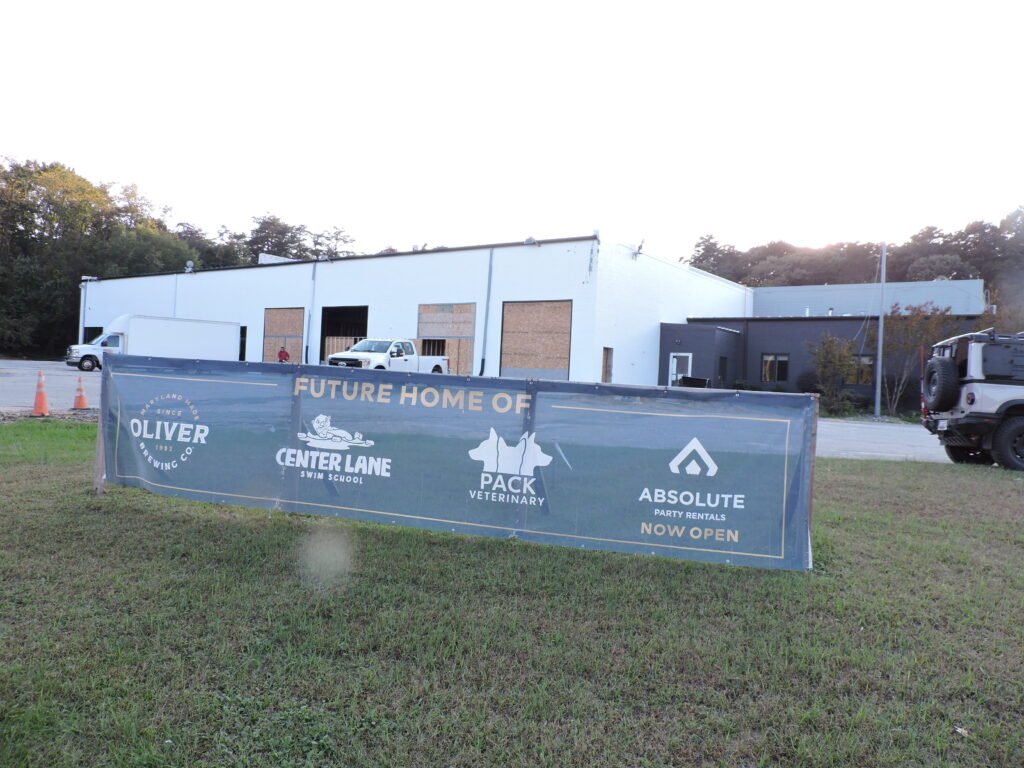
Photos by Sharon Lee Tegler
We reached out to 206 Restaurant Group partner Justin Dvorkin for an update.
“We are shooting for mid-late November for our opening at Oliver Brewing Company,” Dvorkin said. “We plan to start hiring in the upcoming weeks and that will help us determine a more exact date. We are so excited to be a part of this community and finally get our doors open.”
Dvorkin said construction is already completed on the building on the end painted charcoal grey that houses the brewery’s corporate offices.
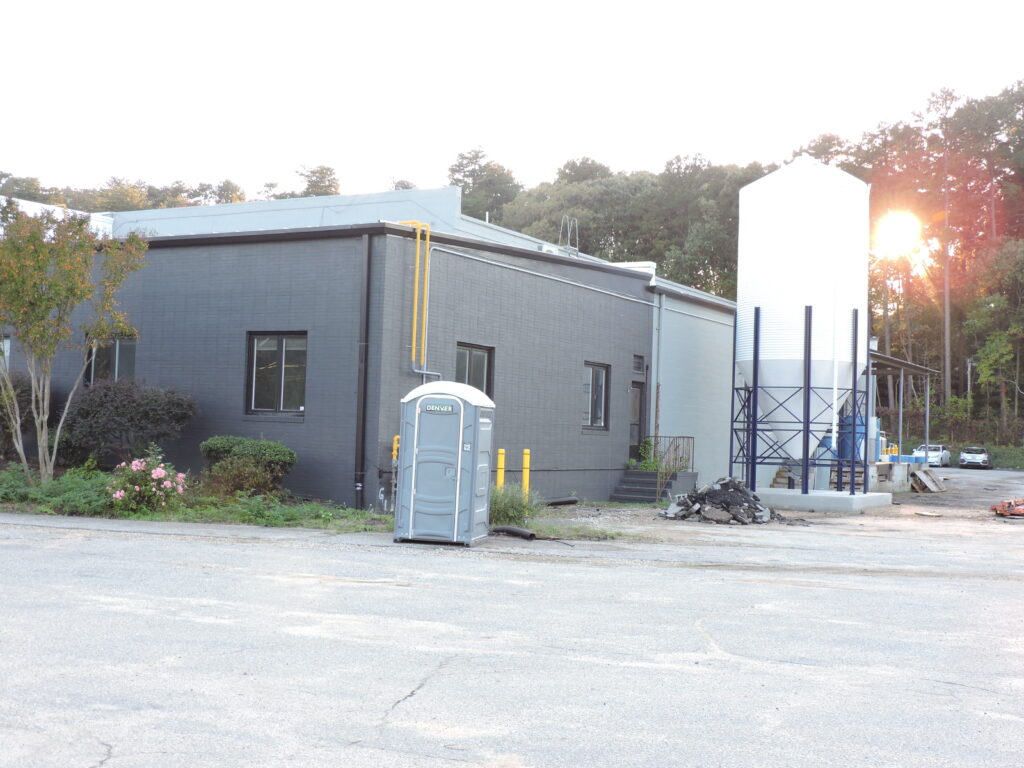
“Since the Center Lane Swim School bowed out of the project, the Oliver Brewing Company’s brewery and restaurant will occupy three fourths of the remaining portion of the building painted white,” Dvorkin added. “Construction is progressing apace.”
We look forward to opening day.
Hatton-Regester Green water feature is getting a facelift
A recent visit to Hatton-Regester Green began as a pleasant walk through the lovely park following the winding path as usual. In the distance, we noticed something orange. Since we hadn’t stopped by the green in quite a while, we were curious as we approached the area.
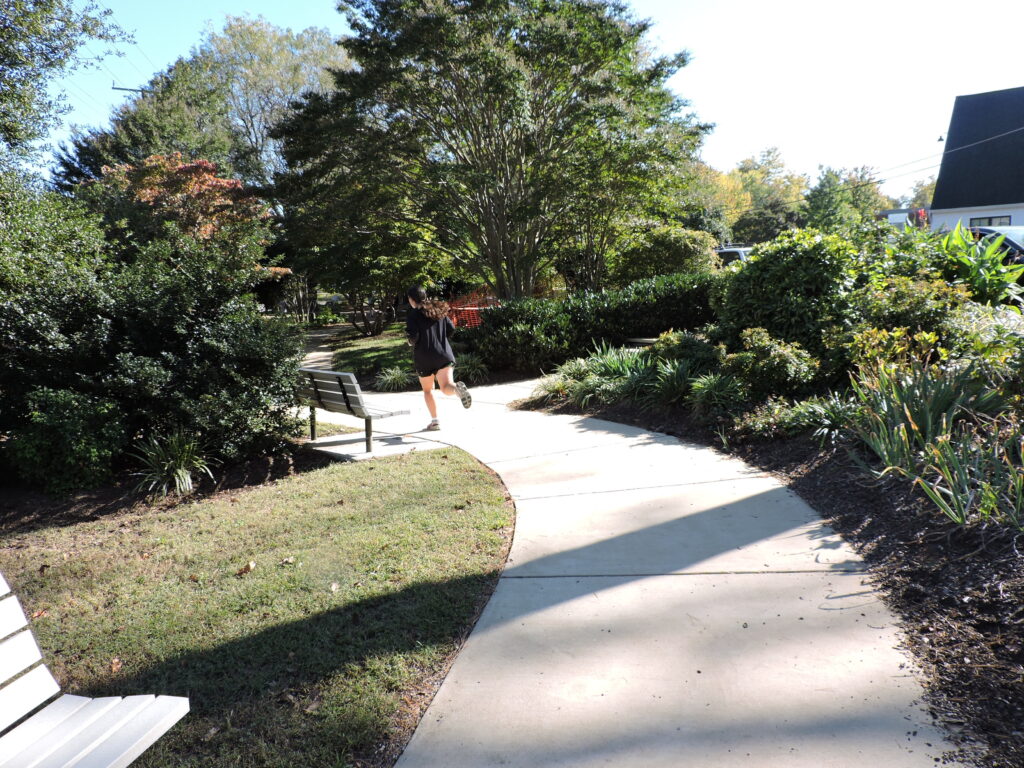
Imagine our shock as we realized what we were seeing was the goldfish pond cared for years by the Moonflower Garden Club. The sight and the sign explaining what happened to the pond astonished us.
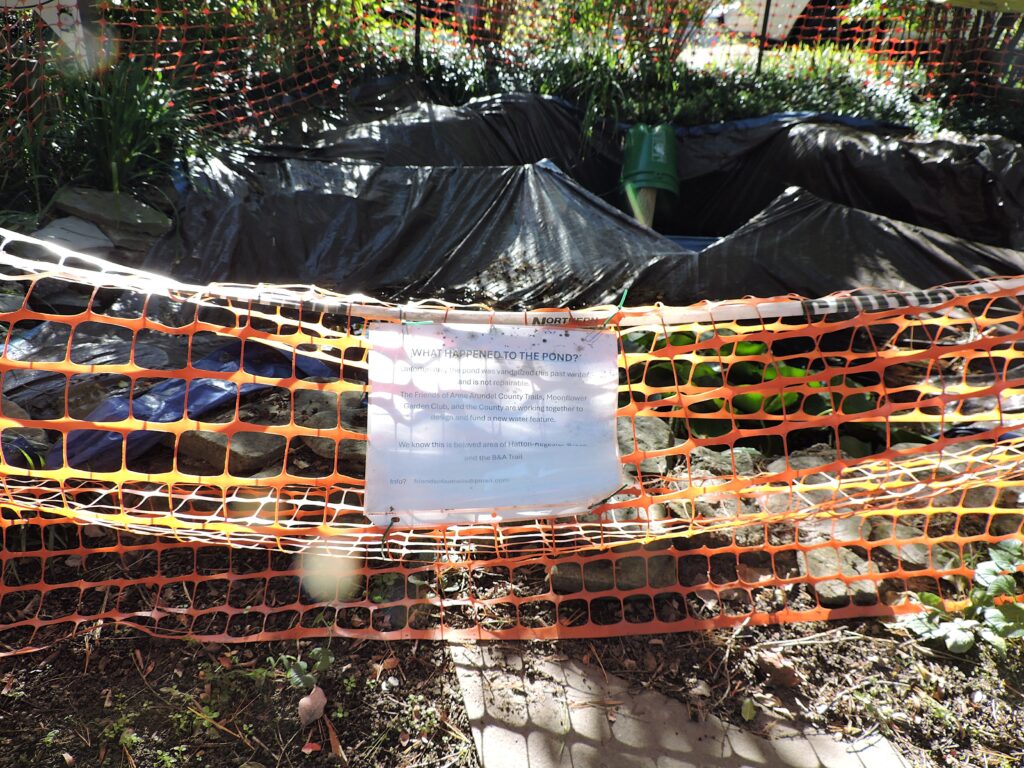
On closer examination, the sign posted on the fencing spelled out exactly what happened.
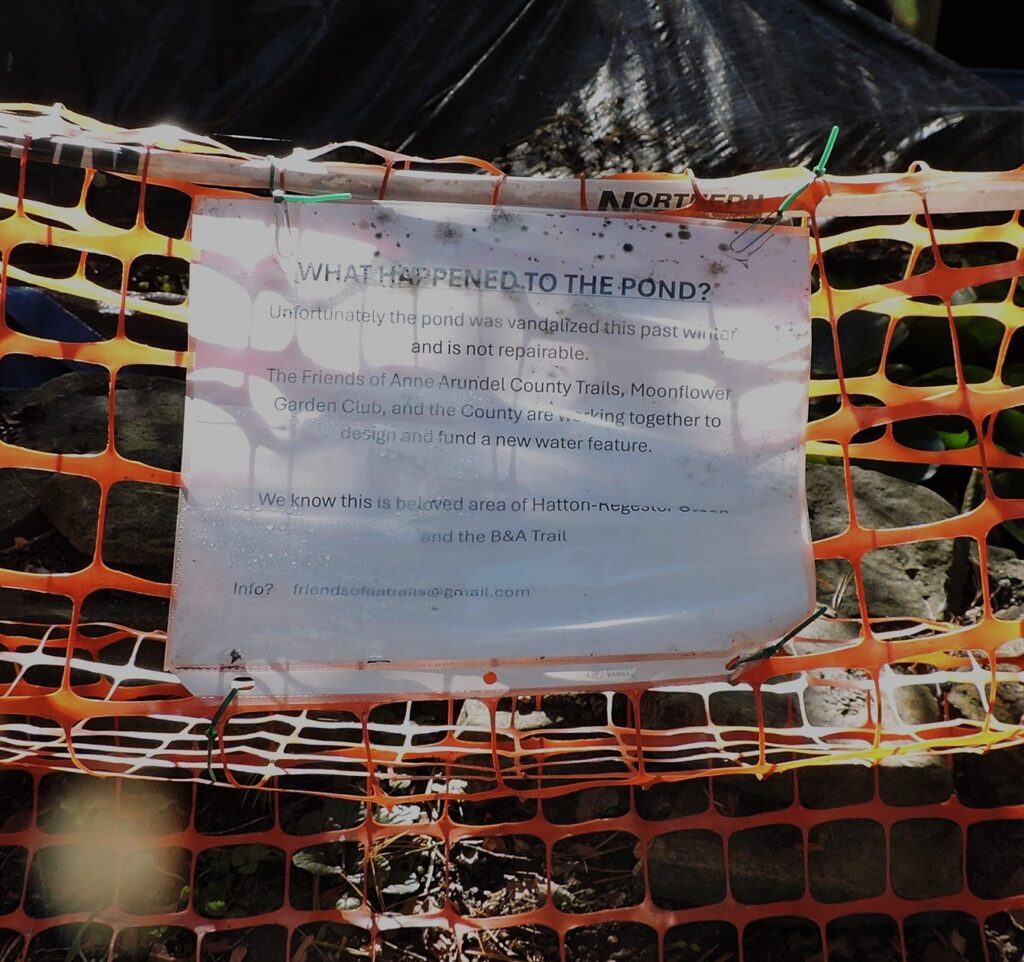
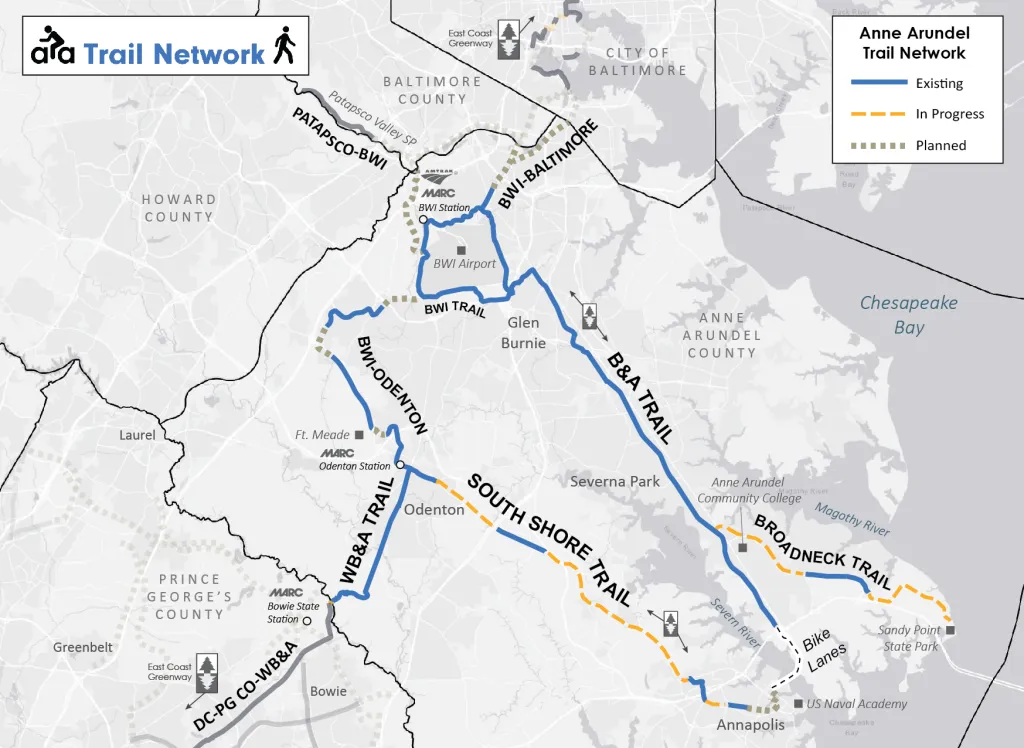
Unfortunately, the vandalism of the pond was so severe it cannot be repaired. We learned from the most recent newsletter from the Friends of Anne Arundel County Trails that the group is working with Anne Arundel County Recreation and Parks to upgrade and redesign the water feature.
The Friends’ newsletter further noted that the pond at Hatton-Regester Green has been maintained through the dedicated labor of many volunteers over the years. Regular pond maintenance takes a lot of work and pumps, liners, and structures need to be updated.
We appreciated that the newsletter included a brief history of the Hatton-Regester Green and those who made it possible.
“In the mid 1990’s Friends of Anne Arundel County Trails Board members, Richard McIntyre and Elizabeth Wyble, put their heads together to change the overgrown area adjacent to the B & A trail in central Severna Park to the beautiful garden area now known as Hatton-Regester Green.
McIntyre worked on the design of 4 designated areas and Wyble approached the Hollyberry, Moonflower and Severn River Garden Clubs as well as Severna Flowers to help plant and maintain these areas. Plans, permits, grading, and digging finally culminated in planting in late 1998 with manpower also provided by the Severn River Rugby Club.
Hatton-Regester Green was dedicated in May of 1999 with a ribbon cutting ceremony. Over 25 years later this area continues to be an area of respite and beauty. A new path, Vietnam memorial, and stage area have been updated and the water feature will be restored in the near future.”
The Around The Park Again column is brought to you this week by Jing Ying Institute of Kung Fu and Tai Chi at 1195 Baltimore Annapolis Blvd. – For over two decades providing martial arts training that improves cardio-vascular health, strength and flexibility while reducing stress. Jing Ying holds 3 morning tai chi classes at the Severna Park Community Center, as well as a mid-day homeschool kung fu class. Evening & Saturday morning tai chi & kung fu classes are located at the Magnolia Collective, behind the Donut Shack. Go to www.JingYing.org for a list of their classes and locations. From health-defense to self-defense, Jing Ying provides fitness with a purpose for the whole family!

and by Lean On Dee Senior Home Care Services at 815 Ritchie Hwy., Suite 206 – When you need someone to lean on, Lean On Dee. Their experienced team of personal care management specialists and friendly companions provide high-quality consistent care.